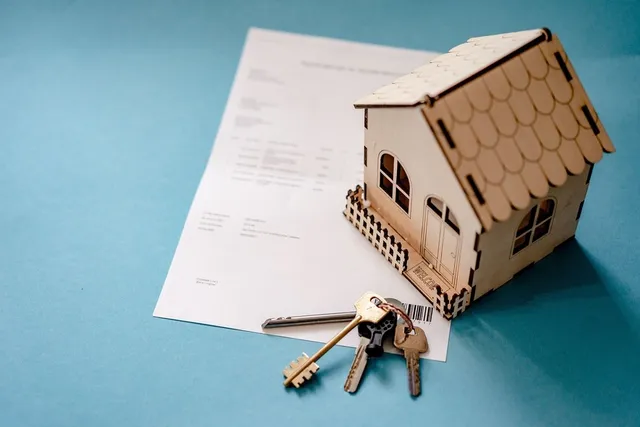
Section 194IA – TDS on Purchase of Immovable Property from Resident Sellers

Section 194IA of the Income Tax Act, 1961 comes into play when a resident sells immovable property—land or a building, but not agricultural land—for ₹50 lakh or more. In these instances, the buyer is obligated to deduct 1% of the total payment as TDS and remit it to the government.
Key Provisions of Section 194IA
When is TDS Deducted?
- If the property's value surpasses ₹50 lakh.
- The deduction occurs at the time of payment, encompassing any installment payments.
- The buyer isn't required to possess a Tax Deduction Account Number (TAN).
TDS Rate Under Section 194IA
- A 1% TDS applies to the entire sale consideration.
- If the seller fails to furnish a PAN, the TDS rate jumps to 20%.
Exemptions – When TDS is Not Required?
- Yes, there are a few scenarios where TDS isn't necessary.
- First, if the sale value falls below ₹50 lakh.
- Second, if the property in question is rural agricultural land.
- Finally, TDS isn't applicable when the property is acquired by the government through compulsory acquisition.
Procedure for TDS Deduction & Payment Under Section 194IA
First, deduct 1% TDS when you pay the seller. Next, complete and submit Form 26QB online within thirty days of the month's end in which the TDS was deducted. When filing Form 26QB, be sure to include the PANs of both the buyer and the seller. The TDS must be paid online, either through net banking or a debit card, or at a bank branch that is authorized to accept such payments. Once the TDS payment is made, download Form 16B, the TDS Certificate, from the TRACES portal and give it to the seller. Finally, the seller should verify the TDS deduction in their Form 26AS.
Example Calculation of TDS Under Section 194IA
🔹 Note: If additional charges (like club membership, parking, or maintenance fees) are included in the agreement, TDS is calculated on the total amount.
Penalty for Non-Compliance
| Nature of Default | Penalty |
|---|---|
| Late TDS Payment | 1.5% interest per month |
| Late TDS Deduction | 1% interest per month |
| Late Form 26QB Filing | ₹200 per day until filed |
| Non-filing of Form 26QB | Penalty up to ₹1,00,000 (Section 271H) |
Disclaimer: The information provided in this article is for general guidance only and should not be considered as professional advice. Tax laws and regulations are subject to change, and specific situations may require tailored solutions. Always consult with a qualified tax professional for advice specific to your circumstances.