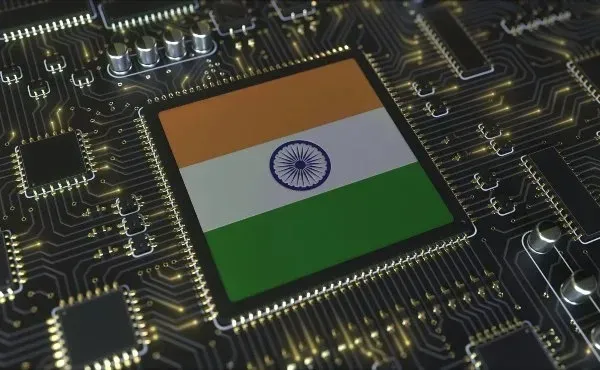
Is India About to Become the Next Electronic Hub? An In-depth Analysis

Solid Bases & Rapid Development
Second-largest base for smartphone production
India has established itself as the world's second-largest center for smartphone production. Major players such as Apple, Samsung, Xiaomi, and Google are now building their devices in India, a shift that has propelled the country into the top five global manufacturers. The nation produces over 330 million smartphones annually.
Industrial Scale-Up
India's electronics manufacturing sector has seen remarkable growth. It started at about $105 billion in FY 2023. Projections are now eyeing $250–300 billion over the next five years, with a bold target of $300–500 billion by 2030.
Boom in Exports
Electronics exports, in particular, have seen a significant increase. In April 2024, they jumped by roughly 25% compared to the previous year, reaching around $2.65 billion. "Made-in-India" phones are sent to places like West Asia, Africa, and the United States, that highlights India's growing export strength.

Push from the Government: Initiatives & Policies
Production Linked Incentive (PLI)
The Indian government's Production Linked Incentive (PLI) scheme has significantly spurred domestic electronics manufacturing. The initial electronics scheme has been revised and expanded, now featuring a ₹25,000 crore incentive program slated to launch in March 2025. This program aims to draw in ₹40,000 crore in investments, focusing on the local production of essential components such as PCBs, displays, camera modules, and batteries.
PLI for Displays and Semiconductors
Further underscoring its dedication, the India Semiconductor Mission received ₹6,903 crore from the interim 2024–2025 budget. This funding is earmarked for chip and display manufacturing, encompassing the creation of fabrication facilities.
EMC Scheme and Infrastructure Clusters
The Electronic Manufacturing Clusters (EMC) scheme is bolstering India's manufacturing prowess. State-level clusters, including those in Tamil Nadu and Kerala's Aranmula, are showing promising progress. Furthermore, the ecosystem is benefiting from upgraded infrastructure, particularly through EMC 2.0 clusters in strategic locations like Noida, Hyderabad, and Bengaluru.
Research and Skills Development
Investments are also flowing into research and skills development. This includes the modernization of government labs such as SCL Mohali, the establishment of new semiconductor testing facilities (for instance, Tata's facility in Assam), and the creation of R&D centers like the Bharat Semiconductor Research Centre at IIT Madras.

Global Players & Large Investments
Growth of Apple/Foxconn
Apple and Foxconn's partnership is a key factor. Foxconn's $1.5 billion display-module plant, located near Chennai, is designed to produce iPhone display components. Interestingly, 97% of the iPhones made in India are currently shipped to the US, with a total value of $3.2 billion between March and May 2025.
Semiconductor Factories
India is seeing a surge in investments in semiconductor manufacturing. Tata's Assam plant is slated to begin operations in mid-2025, and an HCL–Foxconn joint venture in Noida (Jewar) has secured ₹3,700 crore in funding for chip assembly.
Other Investments
Karnataka's investment of ₹3,100 crore in industrial water infrastructure to bolster manufacturing is one example. Dixon's revenue surge, fueled by assembling Pixel smartphones, is another. Zyet Work's new ESDM facility in Bengaluru also stands out.
Opportunities and Difficulties
Reasons Behind India's Progress
- A vast domestic market, with over 1.3 billion potential consumers.
- Access to a relatively inexpensive workforce.
- Shifts in global supply chains, especially the 'China +1' strategy, which encourages diversification.
- Growing institutional confidence: India is increasingly recognized by organizations such as the RBI, Jefferies, and ICEA as a burgeoning hub for chip and electronics manufacturing.

Obstacles to Overcome
- Dependence on importing necessary materials including chipsets and wafers.
- Continuing to lack sufficient systems to provide needed service.
- Roadblocks within government that create barriers to progress.
- Continuity of standards across state lines and across industries.
Conclusion

Certainly, the rise of India as a leading global hub for electronics manufacturing is happening now. The production within India continues to grow rapidly, with rising levels of exports. The establishment of manufacturing facilities for high-value semiconductors and components supports and enhances this growth path. The policy and infrastructure environment that support the industry are in place through initiatives such as the PLI (production linked incentive) program and EMC (Electronics Manufacturing Clusters) scheme.
To maximise the impact on productivity and drive even further towards this goal, India needs to continue promoting deep supply chains, eliminate regulatory roadblocks, and aggressively encourage research and development to keep up with the growth of hardware production volumes. If India can maintain its current pace and work through remaining issues, it will be positioned as a major semiconductor and electronics producing region by 2030, not just as a phone assembly centre, but as a fully integrated electronics manufacturing region.